Lovely Baby Embroidery Design Review for Merch
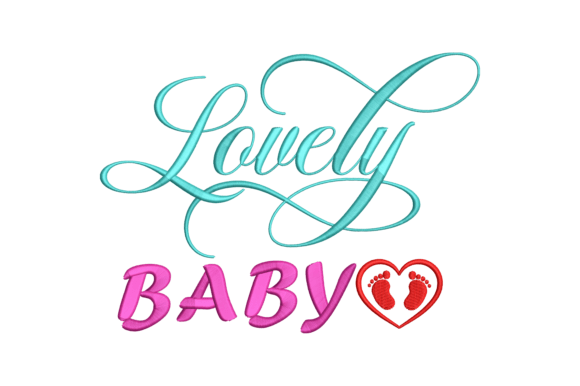
As an embroidery designer who has spent years digitizing files and consulting with small business owners, I approach every new machine embroidery design with a critical eye. It is not enough for a file to look cute on a screen; it must perform under the needle, survive industrial washing, and elevate the brand identity of the client using it. Today, I am reviewing Lovely Baby, a digital embroidery file featuring cute baby feet, to determine its viability for commercial use.
While the product category lists this under Boys, my assessment focuses on its broader application for handmade brands, boutique shops, and creative studios. The description promises a personal touch for clothing and home decor, but does it hold up as a professional asset for branded merchandise? Let us dive into the details.
First Impressions: Visual Personality and Brand Fit
The immediate impression of Lovely Baby is one of warmth and approachability. The motif of baby feet is universally recognized as a symbol of new beginnings, innocence, and care. Visually, this design leans heavily into a playful yet classic aesthetic. It does not scream "modern minimalist" nor does it feel overly rustic. Instead, it strikes a balance that feels handmade and premium.
For businesses in the childcare, family photography, or boutique retail sectors, this visual personality is a strong asset. It communicates trust and tenderness without being cluttered. However, for a high-tech startup or a rugged outdoor brand, this design would likely clash with their established brand identity. Knowing where a design fits is half the battle in commercial embroidery.
Real-World Applications for Small Business Merch
When evaluating a digital embroidery file for business use, I always map out potential applications. Lovely Baby offers versatility beyond simple onesies. Here is how I envision this design performing in a real-world commercial setting:
- Embroidered Patches: This is perhaps the strongest use case. A small, circular or oval patch featuring the baby feet can be sewn onto tote bags, diaper bags, or denim jackets. Patches allow for pre-production quality control and easy application.
- Staff Uniforms and Aprons: For a boutique bakery, a florist, or a children’s consignment shop, adding this design to the chest pocket of an apron adds a layer of professionalism. It signals that the staff cares about the details, enhancing customer trust.
- Cap Embroidery: Placing the design on the side panel or back of a baseball cap creates a subtle branding element. It is less aggressive than a full-front logo but still visible.
- Tote Bag Design: Canvas totes are popular merchandise items. A centered or corner-placed embroidery of Lovely Baby transforms a generic bag into a desirable handmade product.
- Event Merch and Customer Gifts: Including a small embroidered item with a purchase increases perceived value. Think of it as a tangible thank-you note that lasts longer than paper.
Technical Considerations and Stitch Performance
Even the cutest design can fail if the technical execution is poor. Since the specific stitch count and file formats are not detailed in the provided description, I must advise buyers to verify these specs before production. However, based on the motif of baby feet, we can anticipate certain technical challenges.
Stitch density is crucial here. If the design is too dense, it will cause puckering on lightweight fabrics like cotton onesies or silk blends. If it is too sparse, it may look amateurish on heavier materials like canvas or denim. I recommend running a test stitch-out on the exact fabric you intend to use. Pay close attention to the thread colors. Soft pastels work well for a gentle look, but high-contrast colors might be needed if the design is used on dark uniforms.
Another critical factor is the hoop size. Ensure your machine can accommodate the required hoop for this design. If you are producing high volumes, a smaller hoop size might speed up production, but only if the design scales down without losing detail.
Where to Use Caution
Not every surface is suitable for every design. While Lovely Baby is versatile, there are scenarios where I would hesitate to use it:
- Tiny Lettering or Complex Outlines: If the design includes intricate text alongside the feet, it may become illegible at small patch sizes. Always check the readability at the intended final size.
- Curved Surfaces: Embroidering on highly curved areas, such as the toe of a shoe or the peak of a cap, requires advanced stabilization techniques. Without proper stabilizer support, the design may distort.
- Textured Fabric: On highly textured materials like terry cloth or thick fleece, fine details can get lost. The baby feet motif needs a relatively smooth surface to shine.
- Frequent Washing: Items like staff uniforms undergo rigorous cleaning. Ensure the thread quality is high-grade polyester to prevent fading or breaking, maintaining the professional look of the finished product.
Enhancing Brand Identity and Customer Engagement
In the world of custom apparel and merchandise, consistency is key. Using Lovely Baby across various touchpoints—from employee aprons to packaging accents—creates a cohesive visual language. This consistency builds recognition. When a customer sees that same cute baby feet motif on their tote bag, their child’s hat, and your shop’s signage, it reinforces brand recall.
Moreover, embroidered items convey a sense of permanence and quality that printed graphics often lack. This perception of higher value can justify premium pricing for your products. For Etsy sellers and crafters, offering personalized embroidery services using this design can significantly boost buyer engagement. Customers love seeing their names or specific color choices brought to life through thread.
Practical Designer Notes for Production
Before you commit to a large run of commercial embroidery projects using Lovely Baby, follow these practical steps:
- Test in Black and White: Remove color from the equation initially. Does the shape hold up? Is the contrast sufficient? This helps identify structural issues before worrying about aesthetics.
- Create a Printable Mockup: Use design software to place the embroidery file on images of your actual products. This helps clients visualize the final result and approve the placement.
- Check Commercial Licensing: Never assume a file is free for commercial use. Verify the license terms included with the embroidery file to ensure you can legally sell items made with this design.
- Compare with Other Assets: Place Lovely Baby next to your existing logos and design elements. Does it complement them, or does it compete for attention?
- Inspect Spacing: Ensure there is adequate space between the design elements and any seams or edges of the garment to avoid needle breaks or distortion.
In conclusion, Lovely Baby is a charming addition to any embroidery library, particularly for businesses targeting families and children. Its strength lies in its emotional appeal and versatility across various merchandise types. By paying attention to technical details like stabilizer choice and fabric texture, you can transform this simple design into a powerful tool for brand building. Whether used for apron embroidery, custom caps, or branded patches, it has the potential to enhance your product offerings and delight your customers.