Cute Bee Embroidery: A Designer’s Review for Real Projects
As an embroidery designer who spends hours digitizing and testing files, I am always cautious about downloading new assets. We all know the frustration of buying a machine embroidery design that looks perfect in the preview but turns into a bird’s nest on the hoop. Recently, I came across the Cute Bee design on Creative Fabrica and decided to put it through its paces. This wasn’t just a casual browse; I was looking for a reliable motif to use in upcoming client orders for custom apparel and home decor. Here is my honest evaluation of whether this file deserves a spot in your digital library.
First Impressions: Charm Meets Technical Precision
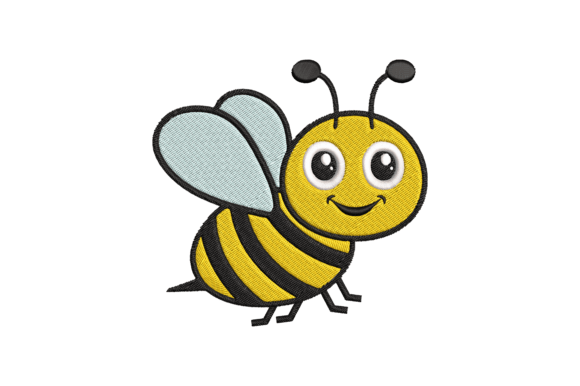
The first thing that strikes you about the Cute Bee design is its visual mood. It balances whimsical charm with clean, professional lines. In the world of Bugs and nature-inspired motifs, it is easy to find designs that are either too cartoonish or overly complex. This design sits comfortably in the middle, offering intricate details without sacrificing stitchability. The personality of the stitching suggests a friendly, approachable aesthetic, making it an ideal candidate for projects that need to feel warm and inviting.
From a technical standpoint, the transition between stitch types appears well-managed. You can expect a mix of satin stitch for the outlines and definition, fill stitch for the body to create texture, and running stitch for finer details like antennae or wing veins. This variety is crucial because it prevents the design from looking flat. For embroidery designers, this means the final product will have depth and visual interest, which is essential for standing out in a crowded market.
Real-World Application: Where This Design Shines
I tested the concept of using this bee motif across several product categories. The versatility of the Cute Bee makes it a strong contender for various handmade products. Here is how it performs in specific scenarios:
- Custom Apparel: The design scales well for sweatshirt embroidery. Placed on the left chest or as a larger back piece, it adds a playful touch to neutral-toned hoodies. It also works beautifully on denim jackets, where the contrast of the thread against the rugged fabric creates a boutique look.
- Tote Bag Design: Canvas bags are a staple for Etsy sellers. This bee motif serves as an excellent focal point for eco-friendly shoppers. The sturdy nature of canvas supports the stitch density well, ensuring the design holds up under the weight of groceries or books.
- Nursery Decor and Baby Items: For baby blankets or bibs, the soft, rounded edges of the bee feel safe and gentle. It pairs wonderfully with pastel thread colors, making it a top choice for personalized gifts for newborns.
- Kitchen Textiles: Imagine this stitched onto a linen apron or a set of kitchen towels. It adds a layer of charm to functional items, increasing their perceived value as gift-worthy merchandise.
- Embroidered Patches: If you plan to create iron-on or sew-on patches, this design’s clear boundaries make it easy to cut and finish. It is a great addition to craft fair products where customers love customizable accessories.
Technical Considerations for Professional Results
While the design is appealing, successful execution depends on how you handle the technical variables. As a professional, I always advise checking the specific file details on the Creative Fabrica product page before starting. However, based on general best practices for similar motifs, here are key factors to consider.
Fabric and Stabilizer Choice
The performance of any embroidery file changes drastically depending on the substrate. For stretchy fabrics like jersey knits used in t-shirts, a cut-away stabilizer is non-negotiable to prevent puckering. For woven fabrics like cotton tote bags or pillow covers, a tear-away stabilizer usually suffices. Always test on scrap fabric first. This step saves you from ruining expensive materials and helps you gauge how the thread colors interact with the fabric tone.
Stitch Density and Texture
Intricate designs can sometimes suffer from high stitch density, which may cause fabric distortion. When working with the Cute Bee, pay attention to the fill areas. If you are stitching on delicate fabrics like silk or lightweight rayon, consider using a water-soluble topping to keep the stitches from sinking into the nap. This is particularly important for textured fabric where small details might get lost.
Hoop Size and Placement
Confirm the hoop size required for the specific version of the file you download. While many designs come in multiple sizes, placing a large design on a curved surface like a cap requires careful hooping. Use a cap frame if available, and ensure the stabilizer is taut to avoid registration issues. For small hoop sizes, you might need to simplify the design or choose a smaller variant to maintain clarity.
Enhancing Product Value and Brand Consistency
For small business owners and creative entrepreneurs, the choice of design assets directly impacts brand consistency. The Cute Bee offers a cohesive look that can be repeated across different product lines. Whether you are selling printable mockups to showcase your work or listing finished products on Etsy, having a recognizable motif helps build buyer trust.
Visual appeal is everything in online sales. A well-stitched bee on a high-quality garment photographs beautifully. It invites customer engagement because it feels personal and handmade. When buyers see consistent quality in your commercial embroidery products, they are more likely to return for seasonal handmade gifts or custom orders. This design supports that goal by providing a polished, professional finish that elevates the perceived value of the item.
Final Verdict and Practical Tips
Is the Cute Bee worth downloading? For designers looking to expand their portfolio with nature-themed motifs, yes. It offers a balance of cuteness and technical reliability that suits both beginners and experienced embroiderers. However, success lies in the preparation.
- Check File Details: Before purchasing, review the product page on Creative Fabrica to confirm file formats compatible with your machine and understand the license terms for commercial use.
- Test Thread Contrast: Bees are traditionally yellow and black, but don’t be afraid to experiment. Try monochrome threads for a subtle look or vibrant contrasts for a pop of color. Always check how thread colors look on both light and dark fabric mockups.
- Inspect Small Details: After your test stitch, inspect the tiny details. Ensure the running stitches for the wings are secure and that the satin stitch edges are smooth. Trim any jumps carefully to maintain a clean finish.
- Consider Washing Durability: If you are creating items that need frequent washing, such as baby clothes or kitchen towels, ensure your stabilizer and thread choices are durable. Secure all loose ends to prevent unraveling.
In conclusion, the Cute Bee is a versatile addition to your collection of design assets. It fits naturally into the Bugs category while offering broad appeal for various embroidery projects. By paying attention to stabilizer choice, fabric type, and stitch density, you can transform this digital file into a stunning finished product that delights your customers and enhances your brand.