Musical Birds: A Designer’s Review for Real Projects
As a designer who has spent countless hours staring at stitch maps and testing tension on scrap fabric, I approach every new machine embroidery design with a mix of curiosity and skepticism. We have all seen designs that look vibrant on screen but turn into a tangled mess of thread breaks and puckering on the hoop. When I first loaded the Musical Birds file into my software, I was looking for more than just cute aesthetics. I wanted to know if this design could hold up in a real-world production environment, whether for a small Etsy shop or a high-end custom gift.
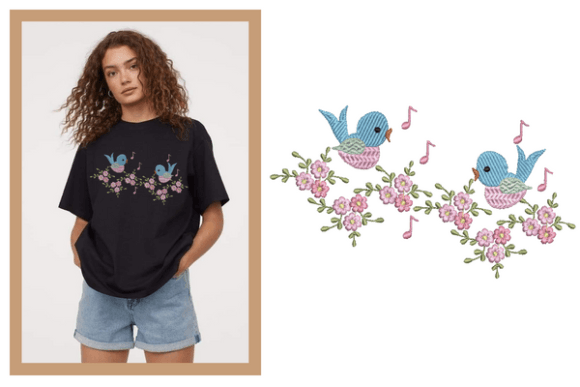
The initial impression of Musical Birds is one of playful elegance. The layout suggests a whimsical narrative, combining avian shapes with musical motifs that create a sense of movement. For those of us in the craft business, mood is everything. A design needs to evoke an emotion that translates into sales. This piece feels light-hearted and joyful, making it an ideal candidate for products meant to bring comfort or celebration. It does not scream for attention with aggressive density; instead, it invites the viewer to look closer, which is exactly what you want in a personalized gift or boutique item.
Visual Appeal and Stitching Clarity
In terms of visual personality, Musical Birds strikes a balance between detail and readability. The shapes are distinct enough to be recognized from a distance, yet they possess enough internal character to reward close inspection. This is crucial for embroidery projects where the finished product might be viewed both on a website thumbnail and in person at a craft fair. The interplay of curves and lines suggests a thoughtful use of satin stitch for outlines and fill stitch for broader areas, though the exact balance depends on how the digitizer handled the transitions.
When evaluating any digital embroidery file, I always check how the elements interact. In this case, the birds and musical notes appear to flow together rather than compete. This cohesion is vital for maintaining professionalism in your design assets. A cluttered design can make a handmade product look amateurish, while a well-composed one elevates the perceived value. For Etsy sellers and small shop owners, this distinction can be the difference between a browser and a buyer.
Real-World Application Scenarios
To truly test the viability of Musical Birds, I mentally placed it on several common substrates. The description notes that it works beautifully on pillows, towels, bags, apparel, and home decor. Let’s break down what that means practically.
- Custom Apparel: Imagine this stitched on the chest of a soft, heather-grey sweatshirt. The colorful look mentioned in the product details would pop against the muted background, creating a trendy, casual vibe perfect for sweatshirt embroidery. It would also work well on a denim jacket, where the texture of the denim complements the raised stitches.
- Home Decor: On a pillow cover, the design adds a focal point without overwhelming the room. For kitchen towels, the durability of the stitch path is key. If the design uses appropriate underlay and secure tie-offs, it can withstand frequent washing, making it a practical choice for holiday embroidery gifts that get heavy use.
- Baby Items: The gentle theme fits perfectly for baby embroidery on onesies or burp cloths. However, here we must be cautious about stitch density. Babies have sensitive skin, so ensuring there are no harsh, dense blocks of thread on the inside of the garment is essential.
- Tote Bags and Patches: As a tote bag design, it offers a cheerful accent that appeals to eco-conscious shoppers. If scaled down, it could serve as an adorable embroidered patch, adding versatility to your product line.
Technical Considerations and Fabric Compatibility
While the design is versatile, no single file is magic. The claim that it can be embroidered on "any fabric" requires a designer’s nuance. Here is where practical judgment comes in.
Fabric Texture and Stability: On smooth cotton or linen, Musical Birds will likely shine with crisp edges. However, on textured fabrics like terry cloth towels, you may lose some of the finer details. In such cases, using a cut-away stabilizer is non-negotiable to prevent distortion. For stretchy fabrics like jersey knits used in t-shirts, a hoopless frame or proper hooping technique with tear-away stabilizer is critical to avoid tunneling.
Dark vs. Light Fabrics: The "colorful look" implies a multi-color palette. On dark fabrics, you must ensure the design includes proper underlay stitches to prevent the background color from showing through the top threads. I recommend running a test on black fabric to check coverage. If the design lacks sufficient density in certain areas, you might need to adjust the thread colors or add a backing layer.
Hoop Size and Placement: Before committing to a large run, confirm the hoop size required. If the design is large, it may not fit on standard cap frames or small baby hoops. Always check the dimensions in your software. For curved surfaces like caps, the design’s curvature should match the cap’s panel to avoid distortion during stitching.
Commercial Viability and Brand Consistency
For commercial embroidery and small business owners, consistency is king. Musical Birds offers a style that can become part of a recognizable brand aesthetic. If your shop focuses on whimsical, nature-inspired, or music-themed items, this design fits seamlessly. It enhances customer trust because it looks intentional and well-crafted.
When creating printable mockups for your online store, this design photographs well due to its clear shapes and vibrant potential. High-quality images drive engagement, and a clean stitch-out ensures that the physical product matches the digital promise. This alignment builds buyer confidence and reduces return rates.
Practical Designer Notes
Before you sell your first item featuring Musical Birds, follow these steps to ensure quality:
- Test on Scrap Fabric: Never skip this step. Use the same fabric type and weight you plan to use for the final product. Check for thread breaks, nesting, or puckering.
- Check Thread Color Contrast: Ensure your chosen thread colors provide enough contrast against the fabric. A low-contrast combination can make the design look muddy from a distance.
- Review Stitch Density: Look at the stitch count relative to the size. If it seems too dense for lightweight fabric, consider resizing or adjusting settings if your software allows.
- Inspect Small Details: Zoom in on the musical notes and bird features. Are there tiny satin stitches that might pull out? If so, consider reinforcing them or simplifying the area.
- Confirm Licensing: The product description mentions it is a wonderful design for various uses, but it does not explicitly state commercial license terms. Always verify with the seller whether you can sell finished items made with this embroidery file. Protecting your business legally is as important as protecting your reputation creatively.
In conclusion, Musical Birds is a promising addition to any designer’s library. It offers emotional appeal, visual clarity, and versatility across multiple product categories. By approaching it with a critical eye and testing it thoroughly, you can transform this digital asset into a successful, tangible product that delights customers and strengthens your brand. Whether you are creating a unique holiday gift or stocking your small shop with fresh inventory, this design has the potential to sing.