Rooster Chicken: A Designer’s Review for Personalized Gifts
As an embroidery designer who has spent years testing digital files against real-world fabrics, I approach every new machine embroidery design with a mix of excitement and skepticism. We all know that what looks perfect on a screen does not always translate seamlessly to thread and cloth. Recently, I had the opportunity to test Rooster Chicken, a charming piece from the Birds category, specifically to see if it holds up under the rigorous demands of a personalized gift shop. My goal was simple: determine if this design is ready for customer orders or if it requires significant tweaking before it hits the hoop.
First Impressions: Charm and Character
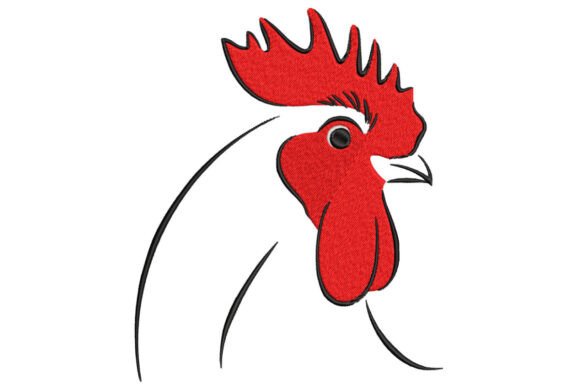
The moment I loaded the embroidery file into my software, the personality of Rooster Chicken stood out. It is not overly complex, nor is it starkly minimal. Instead, it strikes a delightful balance between playful and classic. The mood is undeniably warm, evoking feelings of home, comfort, and rustic charm. For makers who specialize in farmhouse-style decor or cozy kitchen textiles, this design feels like a natural fit. It possesses a handmade quality that appeals to buyers looking for something unique rather than mass-produced.
The detail level is moderate, which is crucial for versatility. It is detailed enough to look professional and high-value but simple enough to stitch quickly on various materials. This emotional appeal is vital because customers often buy embroidered items not just for utility, but for the feeling they evoke. A rooster suggests morning light, fresh starts, and country living, making it an excellent choice for housewarming gifts or seasonal decor.
Versatility Across Product Lines
One of the strongest assets of Rooster Chicken is its adaptability. In my review, I considered how it would perform across different product types. The description notes that it can be used on items such as kitchen towels, tablecloths, aprons, or even clothing pieces. This flexibility is a goldmine for Etsy sellers and small business owners who want to maximize their inventory without purchasing dozens of unique designs.
- Kitchen Textiles: An embroidered towel featuring this rooster becomes an instant heirloom. It elevates a simple cotton towel into a thoughtful personalized gift.
- Apparel and Aprons: Placed on the chest pocket of an apron, the design adds a touch of whimsy that chefs and home cooks adore.
- Home Decor: Imagine this stitched onto a linen pillow cover or a heavy canvas tote bag. The rustic aesthetic pairs beautifully with natural fibers.
For those creating baby products, while a rooster might seem unconventional for a nursery, it works wonderfully for gender-neutral themes or farm-animal-inspired rooms. A soft blanket embroidery with this motif can serve as a cherished keepsake for families who love rural life or animals.
Navigating Technical Challenges
While the design is charming, practical application requires caution. As a professional, I must highlight where Rooster Chicken should be used carefully. Embroidery is not one-size-fits-all, and fabric behavior changes everything.
Fabric Texture and Thickness: When stitching on thick towels, the pile can obscure smaller details. I recommend using a cut-away stabilizer to ensure the design remains crisp and does not sink into the loops of the terry cloth. Conversely, on delicate fabrics like silk or lightweight cotton for clothing, the stitch density must be monitored. If the design is too dense, it may pucker the fabric. Always test on scrap fabric first.
Dark vs. Light Fabrics: Thread color contrast is essential. On white linens, traditional reds, golds, and blacks pop beautifully. However, on dark navy or black fabrics, you must adjust your thread palette to ensure visibility. A printable mockup can help visualize this, but nothing beats a physical test stitch.
Curved Surfaces and Stretch: If you are applying this to stretchy baby clothes or curved surfaces like mug cozies, proper hooping is critical. Use a tear-away stabilizer for stable woven fabrics but switch to cut-away for knits to prevent distortion after washing.
Enhancing Perceived Value and Trust
From a business perspective, the quality of your finished product directly impacts customer trust. A clean, well-stitched Rooster Chicken signals professionalism. It tells the buyer that you care about detail. This perceived value allows you to price your handmade products higher than generic alternatives. When customers see a precise, vibrant bird design on a wedding gift or a custom tote, they feel an emotional connection to the item. They are not just buying a towel; they are buying a piece of art that fits their lifestyle.
For digital product sellers, offering this as part of a bundle can increase engagement. Buyers love variety, and a design that works on multiple items encourages them to purchase more. Ensure you check commercial licensing before selling finished products. Since the description mentions it comes with multiple embroidery file formats, it is likely intended for broad use, but always verify the specific terms provided by the creator to protect your small shop product line.
Practical Tips for Success
To ensure the best results with Rooster Chicken, follow these practical steps before fulfilling customer orders:
- Check Hoop Size: Confirm the design fits your machine’s hoop size. While it is versatile, ensure it does not exceed your maximum area, especially if you plan to add monograms nearby.
- Review Stitch Density: Look at the stitch count in your software. If it seems high for lightweight fabric, consider using a lighter weight thread or adjusting tension.
- Select the Right Stabilizer: Match your stabilizer to your fabric texture. Water-soluble topsheets can help prevent sinking on plush towels.
- Test Thread Colors: Create a color map that complements your brand. Earth tones work well for rustic vibes, while bright primaries suit a playful, modern look.
- Inspect Small Details: After stitching, check the finer points of the rooster’s comb and feathers. If they look messy, adjust your tension or needle size.
In conclusion, Rooster Chicken is a robust addition to any embroidery designer’s library. It bridges the gap between decorative art and functional utility. Whether you are creating a wedding gift, a baby shower present, or stocking your Etsy shop with seasonal items, this design offers the reliability and charm needed to satisfy discerning customers. By respecting the technical nuances of fabric and thread, you can transform this digital file into a tangible, beloved keepsake.