Rabbit Flower: A Designer’s Review for Easter Embroidery
As an embroidery designer who spends countless hours digitizing and testing files, I approach every new download with a critical eye. We all know the struggle of finding a machine embroidery design that not only looks beautiful on screen but performs flawlessly under the needle. Recently, I explored the Rabbit Flower listing on Creative Fabrica, evaluating it specifically for upcoming spring collections and seasonal handmade gifts. This review breaks down the aesthetic appeal, practical application, and commercial viability of this design for fellow crafters, Etsy sellers, and small business owners.
First Impressions and Visual Mood
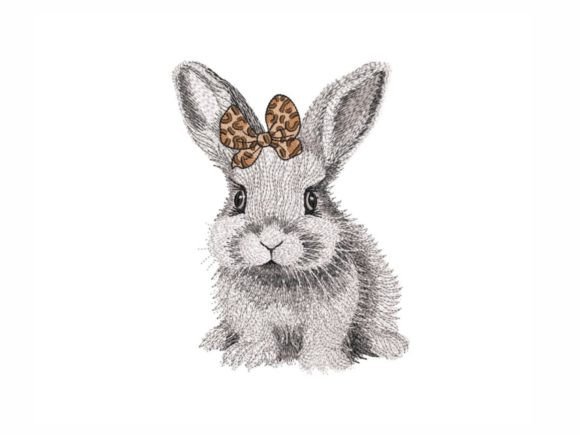
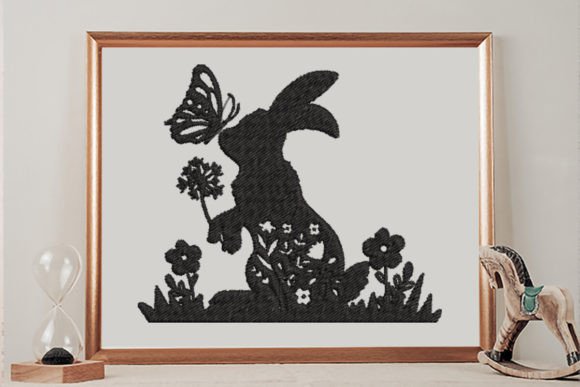
The immediate appeal of Rabbit Flower lies in its delicate balance between whimsical charm and refined detail. The composition features a soft, approachable rabbit intertwined with floral elements, creating a visual mood that is perfectly suited for the Easter season without being overly cartoonish. For designers targeting a boutique or high-end handmade market, this subtlety is crucial. It avoids the harsh, blocky outlines often found in lower-quality freebies, suggesting a more sophisticated digitizing approach.
The stitching personality appears to rely on a mix of textures. While I cannot confirm the exact stitch count without opening the file, the preview suggests a thoughtful combination of satin stitch for the finer details and fill stitch for the broader areas of the rabbit and petals. This variety is essential for creating depth and preventing the "flat" look that plagues many digital embroidery files. The decorative appeal is versatile; it feels equally at home on a rustic linen tote as it does on a polished nursery decor item.
Real-World Application for Handmade Products
The true test of any embroidery file is its versatility across different substrates. The product description notes that the versatility of this design allows you to embroider it onto various items, such as pillows, tote bags, jackets, or even framed artwork. In my experience, this range is accurate for designs of this nature, provided you adjust your stabilization technique.
- Custom Apparel and Sweatshirts: For sweatshirt embroidery, the design’s likely moderate density makes it a strong candidate. Heavy fleece can handle fill stitches well, but ensuring the design isn’t too dense prevents stiffness. This piece would work beautifully on the left chest of a cardigan or centered on a baby onesie.
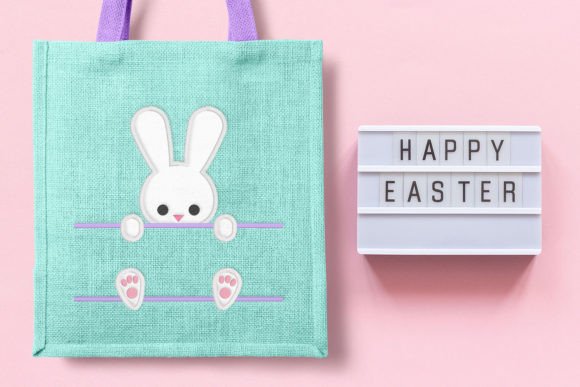
- Tote Bags and Aprons: Canvas and cotton twill are ideal for this type of tote bag design. The floral elements provide a nice contrast against natural fabric tones. When creating finished products for sale, consider using variegated threads in the flower sections to add dimension without increasing stitch time.
- Nursery Decor and Pillows: Softness is key here. If applying this to a pillow cover, ensure you use a cut-away stabilizer to maintain integrity after repeated washing. The gentle aesthetic of Rabbit Flower fits seamlessly into modern nursery themes.
- Embroidered Patches: This design could be scaled down for an embroidered patch, though you must verify the minimum size requirements to ensure the tiny details of the rabbit’s face do not become lost or messy.
Technical Considerations for Stitching Success
Before running this design on a customer’s expensive garment, several technical factors must be addressed. As professional embroiderers, we know that a pretty preview does not guarantee a perfect stitch-out.
Fabric and Stabilizer Selection
The choice of stabilizer is paramount. For stretchy fabrics like jersey knits used in custom apparel, a heavy-duty cut-away is non-negotiable to prevent puckering. For woven fabrics like those used in kitchen towels or aprons, a tear-away may suffice, but testing is required. If you are stitching on dark fabric, consider using a lighter backing or adjusting your thread colors to ensure the rabbit’s features remain visible. High-contrast thread colors can make or break the readability of the design.
Hoop Size and Placement
Always confirm the hoop size compatibility before purchasing. While the design is versatile, placing it on curved surfaces like caps requires careful hooping techniques. If the design includes fine lettering or tiny facial details, these areas are prone to thread breaks or nesting if the tension is not perfectly calibrated. I recommend always stitching a test on scrap fabric identical to your final project material. This allows you to inspect small details after stitching and adjust tension or speed accordingly.
Density and Texture
Pay close attention to stitch density in the floral areas. Overly dense fills can cause fabric distortion, especially on lightweight materials like silk or thin cotton. If the design feels too stiff after stitching, consider using a water-soluble topping to keep piles flat and stitches clean, particularly if working with textured fabrics like terry cloth towels.
Commercial Value and Brand Consistency
For Etsy sellers and creative entrepreneurs, the visual appeal of your product photography drives sales. Rabbit Flower offers strong potential for creating engaging printable mockups and lifestyle images. The design’s clean lines and balanced composition photograph well, enhancing the perceived value of the handmade product.
Using consistent, high-quality design assets like this helps build buyer trust. When customers see precise stitching and thoughtful design choices, they are more likely to perceive your brand as professional. This design can serve as a cornerstone for a seasonal collection, allowing you to create cohesive commercial embroidery products ranging from personalized gifts to boutique merchandise. The ability to offer this motif on multiple items—such as a matching set of a tote and a jacket—increases average order value and customer engagement.
Licensing and Final Verdict
Before integrating Rabbit Flower into your product line, it is essential to review the licensing terms on the Creative Fabrica product page. Most designs on the platform come with a commercial license, but verifying this ensures you are protected when selling finished products. Do not assume file formats or machine compatibility; always check the specific details provided in the listing to ensure the digital embroidery file works with your specific machine brand and model.
In conclusion, Rabbit Flower appears to be a thoughtful addition to any spring-themed embroidery library. Its blend of charm and technical suitability makes it a viable option for both personal projects and commercial sales. By paying attention to stabilizer choices, thread contrast, and fabric types, you can leverage this design to create high-quality, sellable items that resonate with customers looking for unique, handmade Easter treasures. Always test first, stitch with care, and let the quality of your execution elevate the design.