Reviewing Happy Easter Double Applique for Craft Fairs
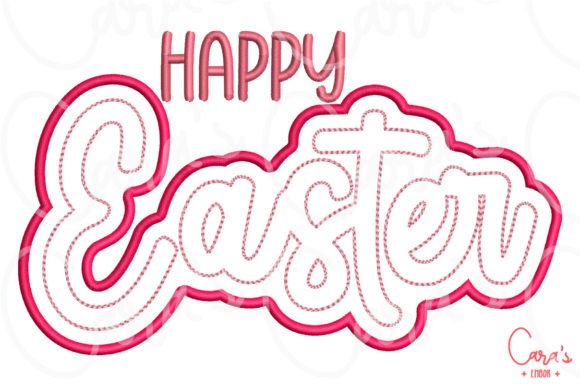
As an embroidery designer who has spent countless weekends behind a booth table, I know that the difference between a browser and a buyer often comes down to visual impact. When I first loaded the Happy Easter Double Applique into my software, my immediate thought was about versatility. This isn’t just a seasonal decoration; it is a strategic asset for any craft fair product lineup. The design strikes a balance between festive charm and clean execution, making it ideal for sellers who need items that pop from a distance but hold up to close inspection.
First Impressions and Aesthetic Appeal
The title suggests a layered approach, and in the world of machine embroidery, double applique usually means depth. For a spring collection, this aesthetic is crucial. It feels soft yet structured, avoiding the flat look that sometimes plagues simpler digitized files. When evaluating this as a machine embroidery design, I look for clarity. Does it read well? Yes. The double layering adds a tactile quality that customers love to touch. In a busy market environment, texture sells. This design offers a premium feel without requiring hours of manual finishing.
It leans towards a cute, modern farmhouse vibe, which remains a dominant trend in handmade home decor. It is not overly rustic nor strictly minimal; it sits comfortably in the middle, appealing to a broad demographic. For an Etsy seller or boutique maker, this broad appeal reduces the risk of unsold inventory. The design feels celebratory without being childish, allowing it to work on adult apparel as easily as on children’s items.
Strategic Product Placement
Where does this design shine? I tested the concept across several common handmade product categories. Here is how it performs:
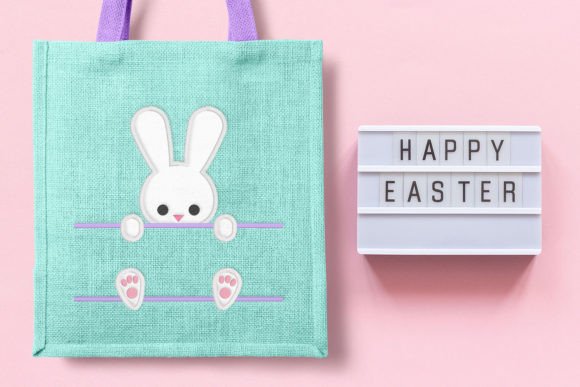
- Tote Bags: A canvas tote with this design centered becomes an instant bestseller. The tote bag design benefits from the boldness of applique, which stands out against natural cotton or linen.
- Aprons: For kitchenware, apron embroidery needs to be durable and visible. Placing this on the bib of a half-apron creates a focal point that draws the eye during demo cooking or market displays.
- Tea Towels: Tea towel embroidery is tricky due to fabric texture. However, if you use a cut-away stabilizer, this design can anchor a set of holiday linens. Ensure the fabric is tight-weave to prevent puckering.
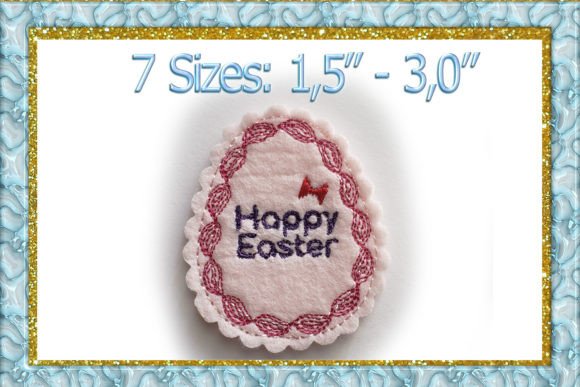
- Patches and Pouches: As an embroidered patch, it adds value to small goods like zipper pouches or pencil cases. It transforms a basic item into a giftable small shop product.
I also considered caps and pillow covers. While possible, curved surfaces like caps require careful hooping and may distort the double layers if the fabric is too thick. Pillow covers are excellent, provided the hoop size accommodates the full design without cropping essential details.
Production Practicality for Batch Selling
For those of us running a business, time is money. The description notes that resizing or editing is not recommended. This is a critical constraint. It means you must commit to the original dimensions. Before committing to a large batch, check the hoop size requirements against your machine’s capabilities. If the design is large, it may require a 5x7 or larger hoop, which limits the types of garments you can easily embroider.
The mention of "multiple embr" in the description likely refers to multiple file formats or color variations. This is a boon for efficiency. You can produce a range of thread colors to match different fabric bases without re-digitizing. However, always verify the stitch density. Double applique can become heavy. If the density is too high, it may cause perforation in lightweight fabrics like voile or thin cotton. Test on scrap fabric first.
Photography is another key factor. This design photographs well because of its defined edges. For your online listings, create a printable mockup or stage real items in natural light. The contrast between the applique fabric and the base material will help your Etsy listings stand out in search results. Clear, crisp images of the texture will drive engagement.
Careful-Use Notes and Technical Considerations
While the design is robust, there are pitfalls to avoid. Do not attempt to shrink this design significantly. The instruction against resizing is there for a reason; reducing it will merge stitch lines and lose the definition of the double layers. Similarly, avoid placing it on highly textured towels where the applique edges might get lost in the pile.
Consider the following technical checks:
- Stabilizer Choice: Use a medium-weight cut-away for stretchy fabrics like t-shirts or totes. For woven home decor, a tear-away might suffice, but cut-away ensures longevity.
- Fabric Contrast: Since this is an applique, the choice of applique fabric matters. Ensure high contrast between the base fabric and the applique material to make the design pop.
- Dense Stitch Areas: Check the underlay. If the design has dense satin stitches bordering the applique, ensure your needle is sharp and your thread tension is balanced to prevent bird nests.
- Dark Fabric: If stitching on dark fabrics, consider using a lighter thread for the tack-down stitches if they are visible, or ensure the applique fabric completely covers the base.
Enhancing Brand Consistency and Value
Using a consistent design style like Happy Easter Double Applique helps build brand recognition. If your booth features this motif across tote bags, aprons, and patches, it creates a cohesive collection. Buyers are more likely to purchase multiple items when they see a themed set. It elevates the perceived value of your commercial embroidery work, moving it from "crafty" to "curated."
This design also serves as excellent design assets for marketing. You can use the digital files to create social media teasers before the fair. Show the process: the hooping, the trimming, the final press. This transparency builds trust and highlights the handmade quality of your work.
Final Designer Verdict
Before you list this as a digital embroidery file or start stitching finished products, do your homework. Confirm the commercial licensing terms. The description implies it is for use, but always double-check if you can sell the physical items made from it. Most designers allow this, but clarity is key.
Create at least one real mockup. Stitch it on the exact fabric you plan to sell. Check the back for excessive buildup. Trim loose threads meticulously. A clean finish is what separates amateur from professional. If the design holds up to these tests, it is a strong contender for your spring lineup. It offers the right mix of festive appeal and production efficiency, making it a smart choice for maximizing your return on time invested at the next craft fair.
Remember, the goal is not just to sell a product, but to sell a feeling. This design captures the joy of the season while maintaining the high standards your customers expect from your brand. Use it wisely, test thoroughly, and watch it become a staple in your finished product inventory.